
Phone:
208-356-4400
Address:
59 Professional Plaza
Rexburg, ID 83440
Natural-looking orthodontics designed to improve your smile while protecting your long-term tooth health.


Phone:
208-356-4400
Address:
59 Professional Plaza
Rexburg, ID 83440
Monday 8AM – 5PM
Tuesday 8AM – 6PM
Wednesday 8AM – 5PM
Thursday 8AM – 6PM
Friday 8AM – 5PM
Saturday 7AM – 1PM
Sunday: Closed
Dr. Heber Strobel
ID License: D-5516
Dr. Dirk Strobel
License: D-1877

Orthodontics in Rexburg is often thought of as cosmetic, but straight teeth affect much more than how a smile looks. When teeth are crowded or misaligned, they are harder to clean and more likely to trap plaque and food. Over time, this can increase the risk of cavities, gum disease, and uneven wear that can lead to future dental problems.
Many families begin exploring orthodontic care because something feels off rather than because of appearance alone. A bite that does not close properly, teeth that are shifting, or crowding that keeps getting worse are all common reasons people start asking questions. At Strobel Family Dental, orthodontic care is about understanding those concerns and helping patients make informed decisions without pressure or confusion.
Orthodontic treatment can help patients at many different stages of life, and there truly is a right time for every smile. For children, early orthodontic evaluations can identify growth-related issues and guide jaw development before problems become more complex. In many cases, early treatment focuses on monitoring and planning rather than placing braces right away.
Teenagers are the most common orthodontic patients because most permanent teeth are in place and tooth movement is often efficient during these years. This stage allows for comprehensive correction of crowding, spacing, and bite issues. Adults are also choosing orthodontic treatment more often, especially to address shifting teeth, relapse from earlier treatment, or bite discomfort that has developed over time. Age alone is rarely a barrier to successful orthodontic care.
Orthodontic treatment begins with a consultation that includes photos, x-rays, and sometimes digital scans. These records help evaluate tooth position, jaw relationships, and bite function. This is also when goals, timing, and concerns are discussed openly so expectations are clear from the start.
Once treatment begins, braces are placed or aligners are delivered, and progress is monitored at regular visits. Adjustments are made gradually to guide teeth safely into position over time. When treatment is complete, braces are removed or aligners are finished, and retainers are provided to protect results long term. Retention is a critical part of orthodontic success, not an optional step.
The first few days after starting orthodontic treatment often come with mild soreness or pressure. This is normal and usually fades as the mouth adapts. Most patients describe it as an adjustment rather than true pain, and it becomes easier with each visit.
Braces require some changes to eating habits, especially avoiding very hard or sticky foods that can damage brackets. Aligners require consistency, since they must be worn most of the day and removed only for eating and drinking. With either option, patients settle into a routine faster than they expect and continue daily life with minimal disruption.
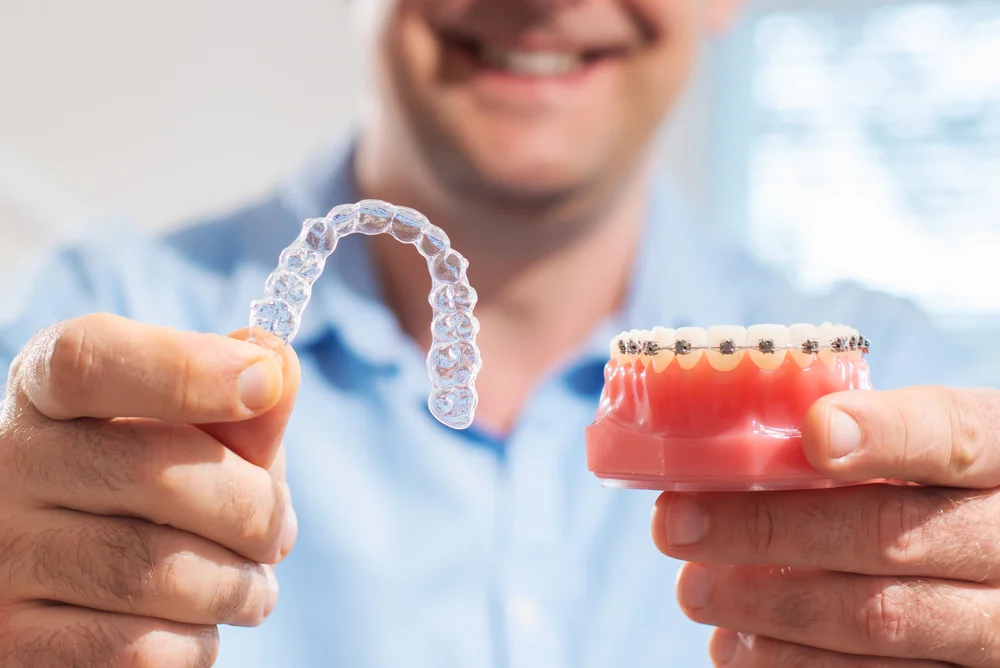
Good oral hygiene becomes even more important during orthodontic care. Braces create extra areas where plaque can collect, so brushing and flossing need a little more attention. Aligner patients must clean both their teeth and trays regularly to keep everything healthy and fresh.
Minor issues can happen during treatment, such as a loose bracket or a poking wire. These situations are common and usually easy to manage with guidance from the office. Knowing how to handle small issues and when to call helps keep treatment moving smoothly and comfortably.
Orthodontic care is not one-size-fits-all, and different treatment systems are designed to fit different needs and lifestyles. Traditional metal braces remain one of the most reliable options and can handle nearly any case, while ceramic braces offer a less noticeable look and clear aligners provide flexibility for patients who wear them consistently. Other options, such as self-ligating or lingual braces, are used in specific situations where they offer clear advantages, helping families choose confidently instead of guessing.
| Treatment Option | Visibility | Best For | Daily Responsibility | Typical Cost Range |
| Traditional Metal Braces | Most visible | Mild to complex cases | Low | Often most affordable |
| Ceramic or Clear Braces | Less visible | Mild to moderate cases | Low | Higher than metal |
| Clear Aligners | Nearly invisible | Mild to moderate cases | High | Often higher |
| Self-Ligating Braces | Visible | Moderate to complex cases | Low | Similar to metal |
| Lingual Braces | Hidden behind teeth | Select adult cases | Low | Highest |
Seeing all options laid out side by side often brings relief, especially for parents deciding what is best for their child. There is no single best system for everyone, and recommendations are based on what will produce the safest, most predictable outcome for each individual smile.
Orthodontic treatment is typically priced as a comprehensive fee that includes appliances, visits, and retainers. The total cost depends on treatment complexity, length, and the type of system chosen. Traditional metal braces are often the most cost-effective option for comprehensive orthodontic correction.
Many dental insurance plans include orthodontic benefits, particularly for children and teens, often with a lifetime maximum. Flexible payment plans, HSAs, and FSAs help spread costs over time. At Strobel Family Dental, costs and financing options are explained clearly so families can plan with confidence.
Families choose Strobel Family Dental because orthodontic care is approached with honesty, experience, and clear communication. We offer a full range of orthodontic options and take time to explain the benefits and limitations of each so recommendations never feel rushed or generic. Serving Rexburg and nearby communities like Rigby, St. Anthony, and Idaho Falls, our practice supports families and BYU-Idaho students alike with flexible scheduling, a welcoming environment, and a focus on long-term results and patient comfort.
Get Started in 3 Easy Steps….
Many people ask this because they assume orthodontics is only about appearance. A better question is whether misaligned teeth or bite issues could affect long-term oral health. Orthodontic treatment can improve cleaning, reduce uneven wear, and support jaw comfort, making it a functional investment as well as a cosmetic one. Beyond Cosmetics: The Health Benefits of Straight Teeth – American Association of Orthodontists
Parents often ask this because they want to avoid starting too early or too late. A better question is when an evaluation should happen rather than when treatment must begin. Early evaluations help guide growth, while most full treatments occur during the teen years, and adults can start orthodontic care successfully at any age. When Should You Schedule Your Child’s First Orthodontic Exam? – AAO‑aligned
This question comes up frequently because marketing often highlights clear aligners. A more helpful question is which option can handle your specific orthodontic needs reliably. Braces are often better for complex cases, while aligners work well for mild to moderate issues when worn consistently. Braces vs Clear Aligners – American Association of Orthodontists
People ask this to plan school, work, and family schedules. A better question is how much correction is needed for your case. Most treatments last between twelve and thirty months, depending on complexity and how teeth respond to treatment
Patients ask this because they want results to last. A better question is how results are maintained long term. Retainers are essential after orthodontic treatment, and wearing them as directed helps protect the investment in a straight, healthy smile.
Related Services