


Common Causes Of Bleeding Gums & What You Should Do
Bleeding gums are one of the most common signs that something isn’t quite right with your oral health. If you’ve noticed pink in the sink after brushing or flossing, you’re not alone. Whatever you do, don’t ignore it! In this article, we’ll explore why gums bleed, the most common causes, and what you can do to stop it. If you have excessive pain or bleeding, come in to Strobel Family Dental today to get help. We offer both appointments and emergency walk-ins, so don’t hesitate to get the care you need.
Why Are My Gums Bleeding?
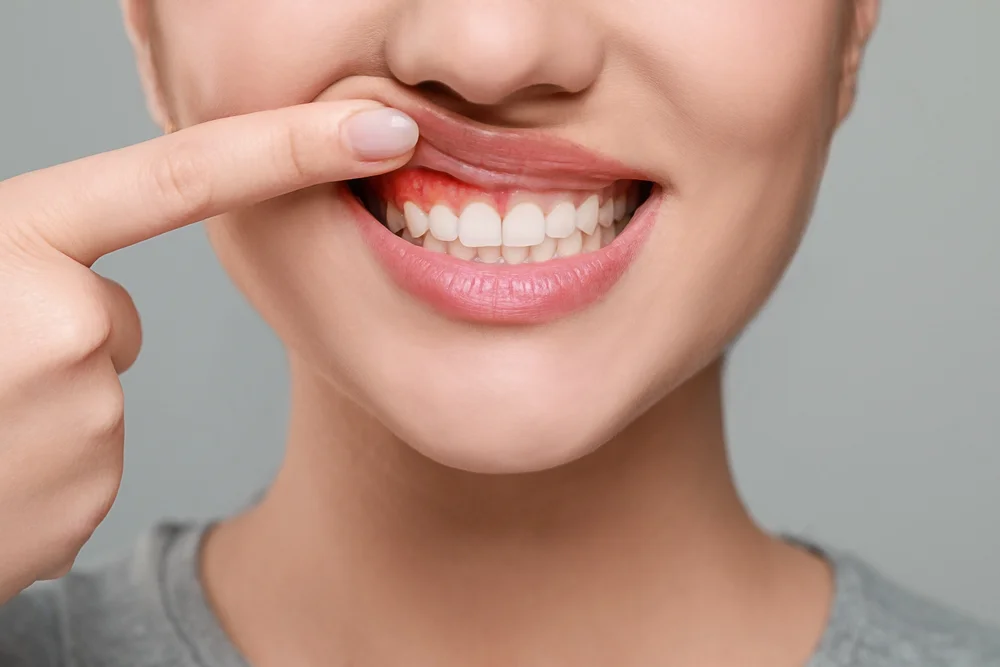
Bleeding gums usually point to inflammation or irritation of the gum tissue, often triggered by plaque buildup or poor oral hygiene. But they can also be a sign of something more serious.
Here are the top reasons your gums might be bleeding:
1. Gingivitis: The Early Stage of Gum Disease
Gingivitis is the most common cause of bleeding gums. It happens when plaque, which is made of bacteria and food particles that build up on your teeth, isn’t removed properly from your teeth and gumline.
Signs of gingivitis include:
- Red, swollen gums
- Bleeding during brushing or flossing
- Bad breath (halitosis)
Solution: Schedule a professional cleaning to help clean your teeth. Your dentist can teach you effective ways of brushing and flossing to keep your teeth healthy. These good practices can reverse gingivitis. Don’t wait—if untreated, it can progress to more serious gum disease.
2. Periodontitis: Advanced Gum Disease
If gingivitis is left untreated, it can lead to periodontitis, a serious condition that affects the bones and tissues supporting your teeth. In this stage, gums may:
- Bleed easily
- Pull away from teeth
- Form pockets of infection
- Lead to tooth loss
Solution: Periodontitis requires deep cleanings, and sometimes surgical intervention. The sooner it’s caught, the better the outcome. If you suspect that you have periodontitis, call us today.
3. Brushing or Flossing Too Hard
Using a hard-bristled toothbrush or brushing too aggressively can cause trauma to your gum tissue, leading to bleeding.
Solution: Switch to a soft-bristled toothbrush and use gentle, circular motions. If you’re unsure how to floss properly, ask your dentist for guidance.
4. Poor Oral Hygiene
Infrequent brushing and flossing allows plaque and tartar to build up, which irritates the gums and causes inflammation and bleeding.
Solution: Brush twice daily, floss once a day, and schedule professional cleanings every six months.
5. Vitamin Deficiencies
Lack of certain nutrients, especially vitamin C and vitamin K, can make your gums more prone to bleeding.
Solution: Maintain a balanced diet rich in fruits, leafy greens, and lean proteins. If necessary, talk to your doctor or dentist about supplementation.
6. Hormonal Changes (Pregnancy or Menstruation)
Hormonal fluctuations, especially during pregnancy, puberty, or menstruation, can increase blood flow to the gums, making them more sensitive and likely to bleed.
Solution: Extra dental care during these times is essential. Regular dental visits can help manage hormone-related gum issues.
7. Medications
Some medications, like blood thinners, can increase the likelihood of gum bleeding.
Solution: Always inform your dentist about any medications you’re taking. They can adjust your care plan accordingly.
8. Underlying Health Conditions
Bleeding gums can sometimes indicate more serious systemic conditions like:
- Diabetes
- Leukemia
- Blood clotting disorders
Solution: If your bleeding gums don’t respond to improved oral hygiene, a deeper health evaluation may be necessary. Talk to us if you have these concerns.
What Should I Do If My Gums Are Bleeding?
- Don’t panic, but don’t ignore it. Usually, simple, consistent oral care will help.
- Brush and floss daily, even if bleeding occurs. Gentle but thorough is key.
- Schedule an appointment with your dentist for a thorough evaluation.
- Stay hydrated and eat a balanced diet.
- Avoid tobacco products, which worsen gum disease.
Schedule a Dental Exam Today
At Strobel Family Dental, we specialize in preventive care and periodontal health. If your gums are bleeding, we’ll help you get to the root cause and develop a personalized treatment plan to restore your oral health.