
Phone:
208-356-4400
Address:
59 Professional Plaza
Rexburg, ID 83440
Fast, painless protection for the back teeth most likely to get cavities.


Phone:
208-356-4400
Address:
59 Professional Plaza
Rexburg, ID 83440
Monday 8AM – 5PM
Tuesday 8AM – 6PM
Wednesday 8AM – 5PM
Thursday 8AM – 6PM
Friday 8AM – 5PM
Saturday 7AM – 1PM
Sunday: Closed
Dr. Heber Strobel
ID License: D-5516
Dr. Dirk Strobel
License: D-1877

A few minutes spent placing dental sealants can protect your child’s back teeth from cavities for years. Dental Sealants in Rexburg are designed to seal the deep grooves of molars where brushing often misses bacteria and food particles. For busy Rexburg families, that small preventive step can mean fewer fillings and fewer dental emergencies later.
At Strobel Family Dental, Dr. Dirk Strobel and Dr. Heber Strobel focus on prevention before repair. Dr. Dirk Strobel has served Rexburg families for over 40 years and was recognized for ethics and integrity during his training at Creighton University. Dr. Heber Strobel brings modern general dentistry and restorative training from LSU, combining evidence-based protocols with long-standing local trust to help families keep their children cavity-free.
Dental sealants are thin, tooth-colored resin coatings painted onto the chewing surfaces of back teeth. These coatings flow into the pits and grooves of molars and harden, creating a smooth barrier. That barrier blocks food particles and bacteria from settling into deep fissures where decay often begins.
Sealants do not replace brushing, flossing, or fluoride. Instead, they add an extra layer of protection in the most cavity-prone areas of the mouth. For children and teens with newly erupted permanent molars, this protection can significantly reduce cavity risk during critical developmental years.
Sealants are quick, painless, and usually placed during a regular checkup. No numbing is required because nothing is drilled or removed. The process simply prepares and seals the chewing surface of the tooth.
The steps typically include:
The entire process usually takes only a few minutes per tooth. Children often tolerate it easily because there is no discomfort involved. For busy families in Rexburg Southwest and Burton, sealants are an efficient add-on to routine visits.
Sealants can protect teeth for several years under normal chewing conditions. They are durable but can gradually wear down or chip over time. Regular dental exams allow your dentist to inspect sealants and refresh them if needed.
If part of a sealant wears away, bacteria can again access the underlying grooves. That is why sealant checks are part of ongoing preventive care. Maintaining exams, cleanings, and fluoride treatments together creates a stronger long-term protection plan.
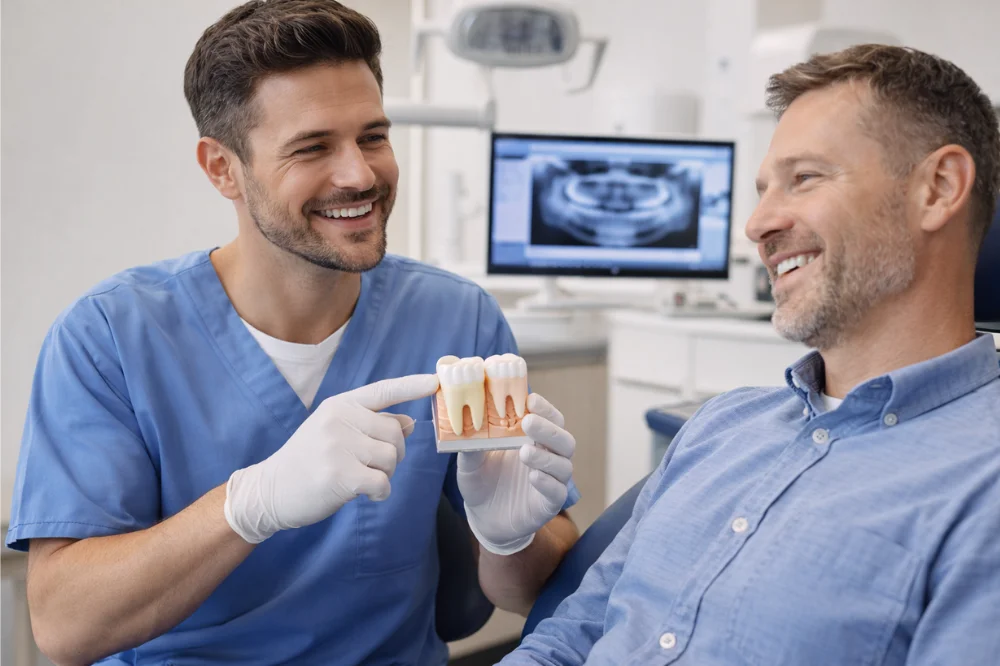
Sealants are ideal for children when their first and second permanent molars erupt, typically around ages six to seven and eleven to thirteen. These teeth often have deep grooves that are difficult to clean thoroughly, even with good brushing habits. Applying sealants early protects these vulnerable surfaces before decay begins.
Teens, BYU–Idaho-age students still living at home, and even some adults with deep grooves or a history of cavities may also benefit. Patients who snack frequently, drink sugary beverages, or have orthodontic appliances often face higher risk. In Idaho, school-based sealant programs reinforce that sealants are mainstream, evidence-based prevention rather than an “extra” service.
Sealants are far less invasive and less expensive than treating cavities after they form. They are placed on healthy teeth to prevent decay rather than repairing damage after it occurs. Acting early often saves both time and money.
| Scenario | With Sealants | Without Sealants |
| Deep grooves | Protected from bacteria | Higher cavity risk |
| Early decay risk | Often prevented | Filling required |
| Untreated cavity | Rare | May progress to crown |
Treating cavities requires drilling and restoration. Sealants help prevent that process entirely. For many Rexburg families, that difference matters.
Sealants have been used safely for decades and are widely recommended as a preventive measure. They consist of dental resin materials similar to those used in tooth-colored fillings. Only a thin layer is applied to the chewing surface, and it remains on the tooth rather than being ingested.
Professional and public health programs across Idaho support sealant use in children and teens to reduce cavity rates. Parents sometimes worry about materials, but reputable dental offices use approved products and follow current guidelines. Sealants are considered safe and effective when used appropriately.
You want your child’s teeth protected without adding stress or unnecessary procedures, and dental sealants offer that simple solution. At Strobel Family Dental, Dr. Dirk Strobel and Dr. Heber Strobel evaluate each tooth individually and recommend sealants when they will truly make a difference for Rexburg families and students. Dental Sealants in Rexburg, ID are a quick, painless way to reduce cavity risk and strengthen your preventive plan.
Get Started in 3 Easy Steps….
Sealants are typically recommended when permanent molars first erupt, usually around ages six to seven and again around eleven to thirteen. Applying them soon after eruption protects deep grooves before bacteria have a chance to settle. Early placement offers the greatest preventive benefit.
Yes, some adults with deep grooves or a history of cavities may benefit from sealants if the chewing surfaces are still intact. Your dentist evaluates each tooth to determine if sealing will effectively reduce risk. Sealants are most helpful when decay has not yet developed.
Sealants do not replace daily brushing, flossing, or fluoride use. They add extra protection specifically to deep grooves that are difficult to clean thoroughly. Preventive success comes from combining sealants with consistent oral hygiene and regular exams.
Sealants are durable, but like any dental material, they can gradually wear or chip over time depending on chewing forces and habits. The important thing to understand is that they can be easily repaired or refreshed during a routine visit if needed. Regular exams allow your dentist to monitor their condition and maintain protection before decay has a chance to develop.
Even children who have never had a cavity can develop decay in deep molar grooves that are hard to clean completely. Dental sealants act as an added safety layer during the years when brushing skills are still developing and diet often includes frequent snacks. For many families in Rexburg, sealants are a proactive step that keeps a cavity-free record intact rather than waiting to treat the first filling.
Related Services
The information on this page is provided to help you understand general dental care and the preventive services we offer. It’s not a substitute for professional diagnosis or individualized treatment. Every patient’s needs are different, and your dentist will evaluate your oral health before recommending any specific care or procedure. (For personalized guidance, please schedule an appointment with our licensed dental professional.)