

Straight Teeth Are About Health, Not Just Appearance
Orthodontics in Rexburg is often thought of as cosmetic, but straight teeth affect much more than how a smile looks. When teeth are crowded or misaligned, they are harder to clean and more likely to trap plaque and food. Over time, this can increase the risk of cavities, gum disease, and uneven wear that can lead to future dental problems.
Many families begin exploring orthodontic care because something feels off rather than because of appearance alone. A bite that does not close properly, teeth that are shifting, or crowding that keeps getting worse are all common reasons people start asking questions. At Strobel Family Dental, orthodontic care is about understanding those concerns and helping patients make informed decisions without pressure or confusion.
Who Orthodontic Treatment Is For
Orthodontic treatment can help patients at many different stages of life, and there truly is a right time for every smile. For children, early orthodontic evaluations can identify growth-related issues and guide jaw development before problems become more complex. In many cases, early treatment focuses on monitoring and planning rather than placing braces right away.
Teenagers are the most common orthodontic patients because most permanent teeth are in place and tooth movement is often efficient during these years. This stage allows for comprehensive correction of crowding, spacing, and bite issues. Adults are also choosing orthodontic treatment more often, including BYU-Idaho students who put it off as teenagers, and it often addresses shifting teeth, relapse from earlier treatment, or bite discomfort that developed over time. Age alone is rarely a barrier to successful orthodontic care.
What the Orthodontic Process Looks Like
Orthodontic treatment begins with a consultation that includes photos, x-rays, and sometimes digital scans. These records help evaluate tooth position, jaw relationships, and bite function. This is also when goals, timing, and concerns are discussed openly so expectations are clear from the start.
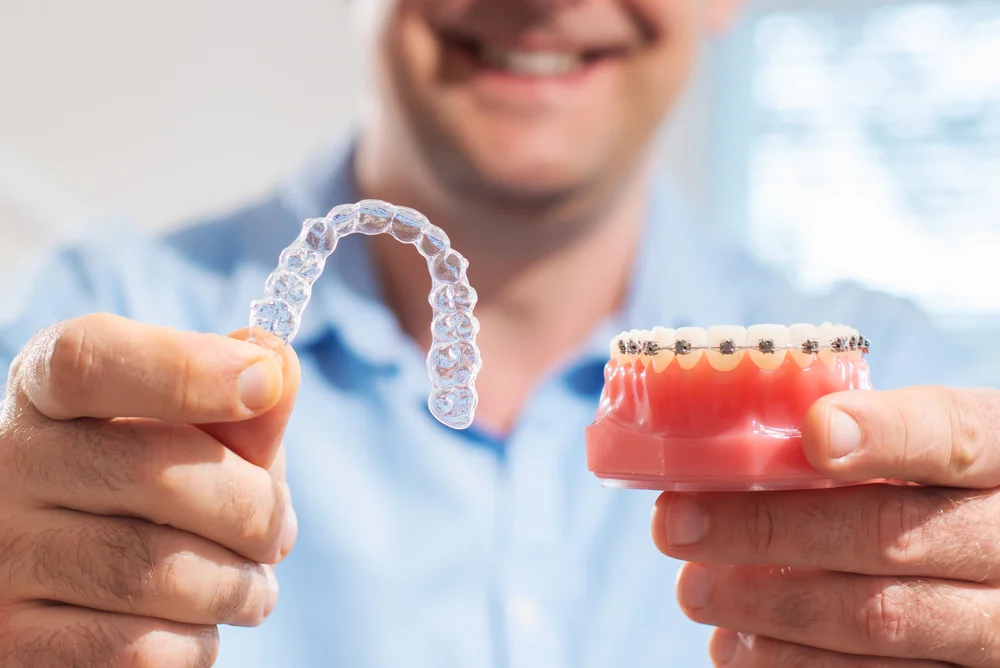
Once treatment begins, braces are placed or aligners are delivered, and progress is monitored at regular visits. Adjustments are made gradually to guide teeth safely into position over time. When treatment is complete, braces are removed or aligners are finished, and retainers are provided to protect results long term. Retention is a critical part of orthodontic success, not an optional step.
Daily Life With Braces or Aligners
The first few days after starting orthodontic treatment often come with mild soreness or pressure. This is normal and usually fades as the mouth adapts. Most patients describe it as an adjustment rather than true pain, and it becomes easier with each visit.
Braces require some changes to eating habits, especially avoiding very hard or sticky foods that can damage brackets. Aligners require consistency, since they must be worn most of the day and removed only for eating and drinking. With either option, patients settle into a routine faster than they expect and continue daily life with minimal disruption.