
Root Canal Therapy in Rexburg

Gentle, tooth-saving treatment focused on pain relief, comfort, and long-term oral health.

Dentist in rexburg ID, Strobel Family dental
Spark clear aligners SFD
rexburg Dentist
ADA, Dentist in rexburg ID,
NFIB Dentist in rexburg ID, Strobel Family dental

Phone:
208-356-4400

Address:
59 Professional Plaza
Rexburg, ID 83440

Email:
strobelfamilydental@gmail.com

Monday 8AM – 5PM
Tuesday 8AM – 6PM
Wednesday 8AM – 5PM
Thursday 8AM – 6PM
Friday 8AM – 5PM
Saturday 7AM – 1PM
Sunday: Closed

Dr. Heber Strobel
ID License: D-5516

Dr. Dirk Strobel
License: D-1877

SFD-logo

Tooth Pain Relief Without Losing Your Tooth

Tooth pain has a way of taking over your day and making it hard to think about anything else. Many patients assume that if a tooth needs a root canal, the experience will be painful or the tooth is already lost. In reality, modern root canal therapy is designed to remove infection, stop pain, and save natural teeth whenever possible.

If you are searching for root canal therapy in Rexburg, ID, you are likely dealing with lingering pain, sensitivity to heat or cold, swelling, or pressure that is not improving. At Strobel Family Dental, Dr. Dirk Strobel and Dr. Heber Strobel focus on clear explanations and calm guidance so you understand what is happening and what your options really are before moving forward.

What a Root Canal Really Does

A root canal is a treatment used when the inside of a tooth becomes infected or inflamed. That inner space contains nerves and blood vessels, and when bacteria reach it, pain and swelling often follow. Root canal therapy removes the infected tissue, cleans and disinfects the canals, and seals the tooth to prevent reinfection.

Many people believe the procedure itself causes pain, but the infection is the real source of discomfort. Once the infection is removed, most patients feel relief rather than increased pain. With modern numbing and techniques, the procedure itself usually feels similar to having a filling placed.

Signs You May Need a Root Canal

Root canal symptoms do not always start as severe pain. Lingering sensitivity to heat, especially when it lasts longer than expected, is a common warning sign. Throbbing pain that worsens at night or pain when chewing can also point to infection inside the tooth.

Swelling of the gums or face, or a small pimple-like bump on the gums, often signals an abscess that needs prompt care. In some cases, there may be little pain at all, but infection is visible on an x-ray. Any of these signs are worth checking early, before the infection becomes more complicated.

Why Families Trust Strobel Family Dental for Root Canals

Patients choose Strobel Family Dental because care is grounded in experience, ethics, and clear communication. Dr. Dirk Strobel has more than 35 years of clinical experience and was recognized early in his career for integrity and professionalism. Dr. Heber Strobel brings advanced training and a patient-focused approach that emphasizes comfort and long-term function.

As a father-and-son dental team, they proudly serve Rexburg and nearby communities like Rigby, St. Anthony, and Idaho Falls. Whether treatment is completed in-office or coordinated with a specialist, patients know they are guided every step of the way.
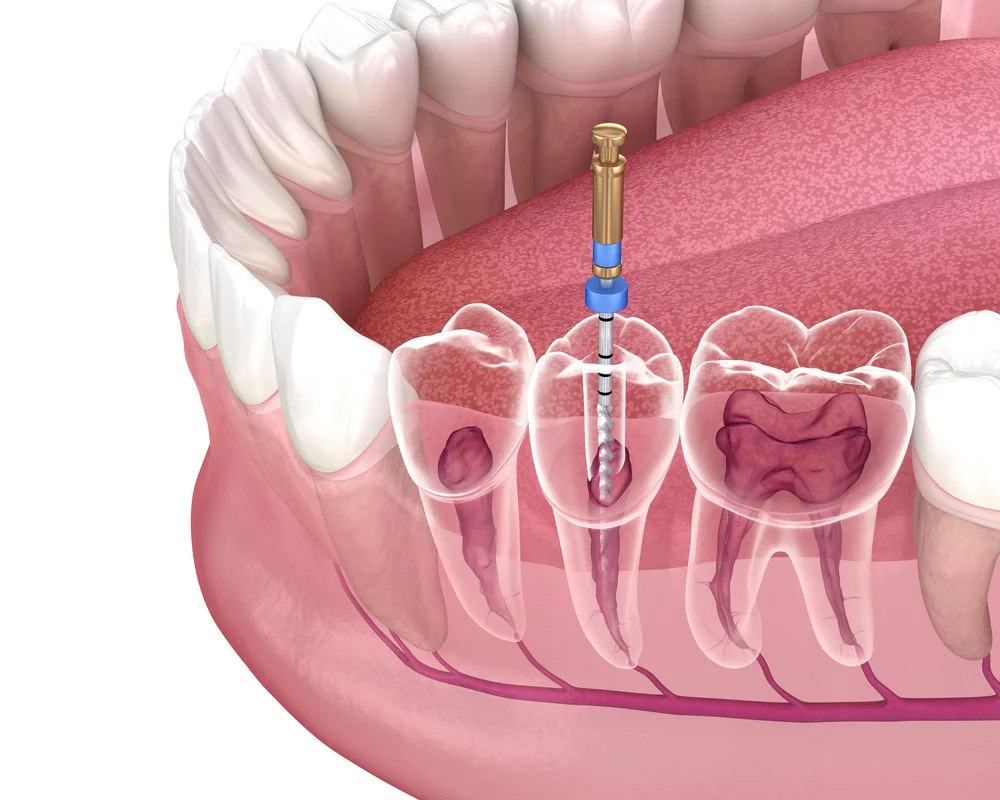
root canal treatment in rexburg ID, Strobel Family dental

What to Expect During Root Canal Treatment

Knowing what happens during treatment helps reduce anxiety. Your visit begins with an exam and x-rays to confirm infection and evaluate the tooth’s structure. The area is fully numbed, and a protective barrier keeps the tooth clean during the procedure.

A small opening allows access to the infected area, where specialized instruments remove damaged tissue. The canals are cleaned, disinfected, and filled to prevent reinfection. A temporary or permanent filling is placed, and in many cases a crown is added later to protect the tooth from fracture.

Root Canal vs Tooth Extraction: Understanding Your Options

When a tooth is infected, many patients assume pulling it is the simplest solution. While extraction may stop immediate pain, it also creates new long-term decisions about replacing the missing tooth. Understanding how root canal treatment compares to extraction helps you choose the option that protects your comfort and function over time.

Feature Root Canal Therapy Tooth Extraction
Primary goal Remove infection and save the tooth Remove the tooth entirely
Pain relief Relieves pain by removing infection Relieves pain by removing tooth
Tooth preservation Natural tooth is kept Tooth is lost
Chewing and bite Maintains normal function Can change bite over time
Bone health Helps preserve jawbone Bone loss may occur
Next steps Often followed by a crown Often followed by implant or bridge
Long-term cost Often lower overall Replacement adds cost later

Most patients are relieved to learn that saving a tooth with a root canal is often less disruptive than replacing it later. When a tooth is restorable, root canal therapy usually offers strong, long-lasting function with fewer steps overall. If a tooth cannot be saved, extraction and replacement options are explained clearly so you can move forward with confidence.

Healing and Long-Term Success

After treatment, numbness may last a few hours and mild soreness is common for a few days. Chewing on the opposite side is recommended until the tooth is fully restored. Over-the-counter pain relievers are often enough for aftercare.

With proper restoration and routine dental care, root-canal-treated teeth can last many years. Regular checkups and follow-up imaging help confirm healing and prevent future problems. Completing the final crown is an important part of long-term success.

A Clear Next Step for Root Canal Care

Root canal therapy in Rexburg, ID is often the turning point that brings relief and clarity when tooth pain will not settle on its own. When treated early, a root canal can stop infection, ease discomfort, and help you keep your natural tooth rather than facing more complex options later. At Strobel Family Dental, Dr. Dirk Strobel and Dr. Heber Strobel focus on explaining what is happening, what your options are, and why the recommended approach makes sense for your long-term health.

Request Appointment

Getting Started With Your Dental Care Is Simple

Get Started in 3 Easy Steps….

Schedule Consultation

Give us a call to schedule a time to come in.

Meet Our Team

Sit down with our dentist for a thorough, unhurried evaluation

Personalized Plan

We create a treatment plan based on your health and goals.

Frequently Asked Questions

Does a root canal hurt?

This question matters because fear of pain is the main reason people delay care and allow infection to worsen. What patients should really ask is whether modern root canal treatment removes pain rather than causes it. Root canal therapy is performed with effective local anesthesia, and the discomfort people associate with root canals almost always comes from the infection itself, not the procedure, which most patients describe as similar to having a filling placed and often followed by noticeable relief.

How long does a root canal take?

Patients ask this because they need to plan work, childcare, or travel around treatment. A better question is how many visits their specific tooth will require and what factors influence that timeline. Many root canals are completed in one visit, especially for front teeth, while molars or more complex infections may take two visits, and your dentist will explain the expected schedule before treatment begins.

Will I need a crown after a root canal?

This matters because skipping the crown can lead to tooth fracture and additional cost later. What patients should really ask is how the treated tooth will be protected long term. In most cases, a crown is recommended after a root canal because the tooth can become more brittle, and the crown restores strength and helps the tooth function normally for years.

Is it better to pull a tooth than get a root canal?

People ask this when they are worried about cost or fear another dental procedure. A better question is which option protects chewing, bite stability, and jawbone health over time. If a tooth can be saved, root canal therapy is usually the better option because it preserves natural function and often avoids the higher long-term cost of implants or bridges, while extraction is recommended only when the tooth cannot be restored safely.

What happens if I wait too long to treat an infected tooth?

This matters because delaying treatment can feel easier when pain comes and goes. What patients should really ask is how timing affects the chance of saving the tooth. Waiting allows infection to spread, can increase pain and swelling, and may reduce the likelihood that the tooth can be saved, while early treatment is usually simpler and more predictable.

How much does a root canal cost in Rexburg?

Cost questions matter because uncertainty often delays care. What patients should really ask is how insurance, treatment type, and long-term outcomes affect total cost. Root canal therapy is often partially covered by dental insurance and is usually less expensive over time than extracting a tooth and replacing it, and our team reviews benefits and provides written estimates before treatment so there are no surprises.

Hyegi-dental-assistant-at-Strobel-Family-Dental

The information on this page is provided to help you understand general dental care and the preventive services we offer. It’s not a substitute for professional diagnosis or individualized treatment. Every patient’s needs are different, and your dentist will evaluate your oral health before recommending any specific care or procedure. (For personalized guidance, please schedule an appointment with our licensed dental professional.)

Let’s Help You Feel Better and Sleep Better