

Why Offering Both Systems Changes the Recommendation
Comparing Invisalign and Spark before booking a consultation is exactly the right move. At Strobel Family Dental, Dr. Dirk Strobel has practiced dentistry in Rexburg for over 40 years. Dr. Heber Strobel graduated from Louisiana State University School of Dentistry in New Orleans. He earned the 2023 Hanau Best of the Best Excellence in Prosthodontics Award. Strobel Family Dental offers both Invisalign and Spark, which is rare in this market. That means Dr. Heber recommends the system that fits your case, not the one he is contracted to promote.
Both systems move teeth using removable clear trays and both work well for the right patient. The difference comes down to material, fit, case complexity, and planning experience. Patients from Burton, Newdale, and Rigby say having both options explained clearly made the consultation feel refreshingly honest. Understanding the comparison helps you walk in knowing what to ask.
What Invisalign and Spark Have in Common
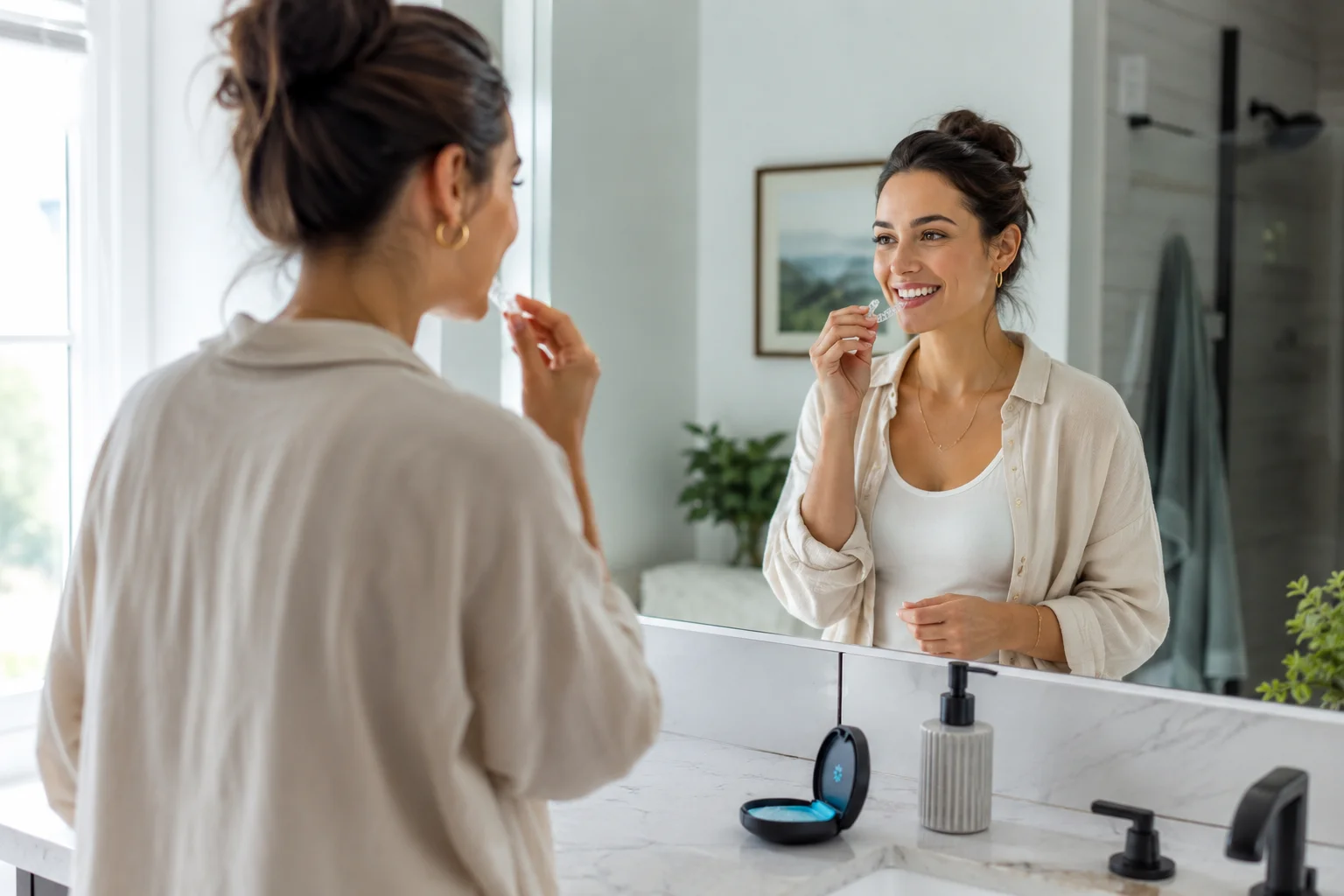
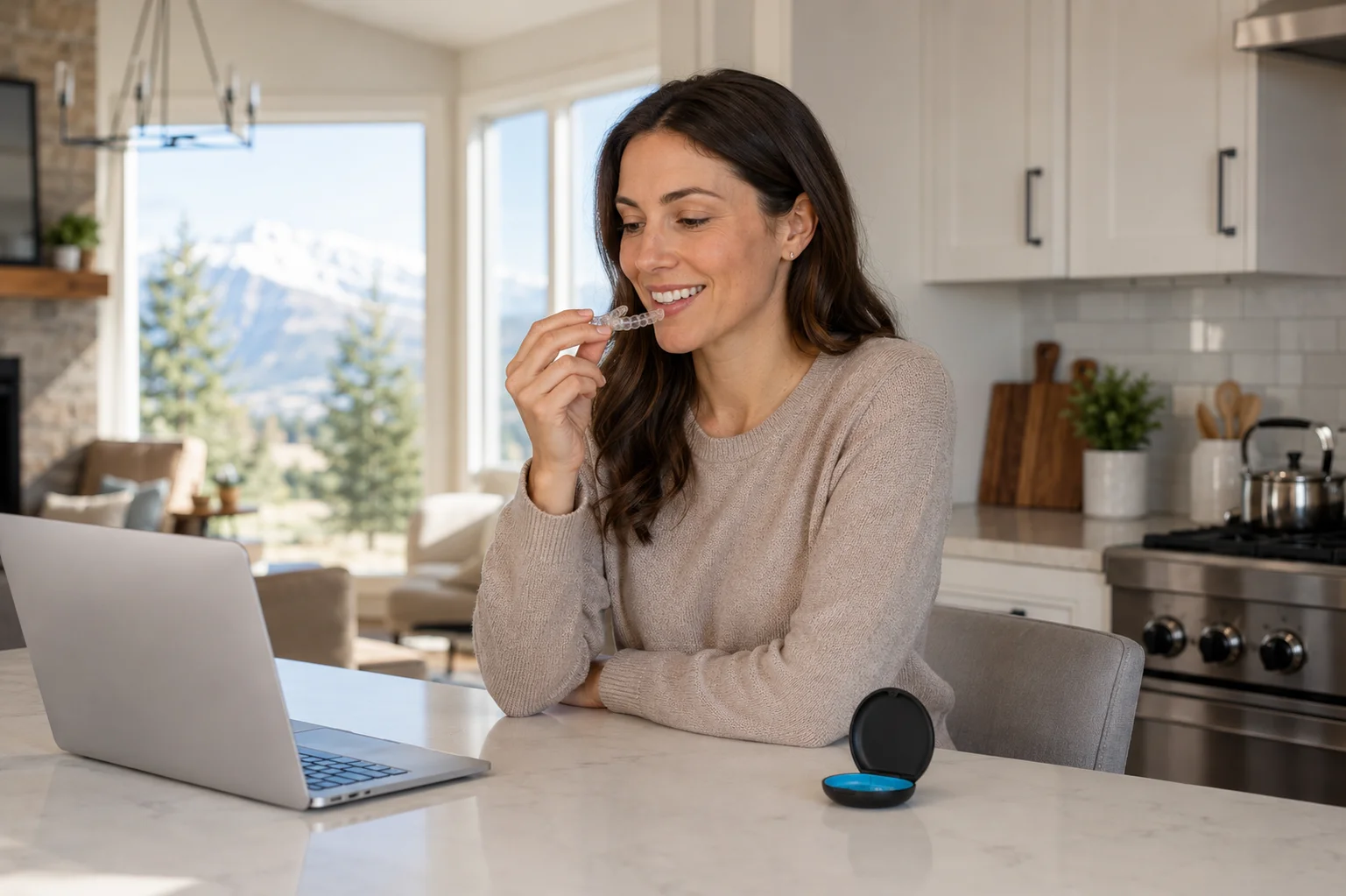
Invisalign and Spark are both removable clear aligner systems that move teeth gradually through custom trays. Both use digital scanning for treatment planning, which means no traditional impressions. Both require 20 to 22 hours of wear per day to stay on schedule. Both work well for mild to moderate crowding, spacing, and bite correction in the right patient.
The treatment experience feels similar with both systems from the patient side. You wear each set of trays for one to two weeks, then advance to the next. Attachments are small tooth-colored bumps bonded to teeth that guide movement in more complex cases. Compliance is the biggest factor in the outcome with either brand. Both systems work best for patients who commit fully to wearing their trays.
Where Invisalign and Spark Differ
Invisalign launched in 1998 and has the largest provider network and the most clinical research behind it. The aligner material is proprietary SmartTrack plastic designed for a consistent and predictable fit throughout treatment. Spark uses Approver clear aligner material, which many clinicians find notably clearer and more stain-resistant. Spark is a newer brand but has grown quickly in practices that evaluate both options honestly.
Pricing is comparable between the two systems at most practices. Individual cost depends on case complexity and treatment length. Case fit is the more meaningful differentiator between them. Invisalign handles more complex movements while Spark performs well on mild to moderate cases. Spark also appeals to patients who want the clearest possible trays throughout treatment.