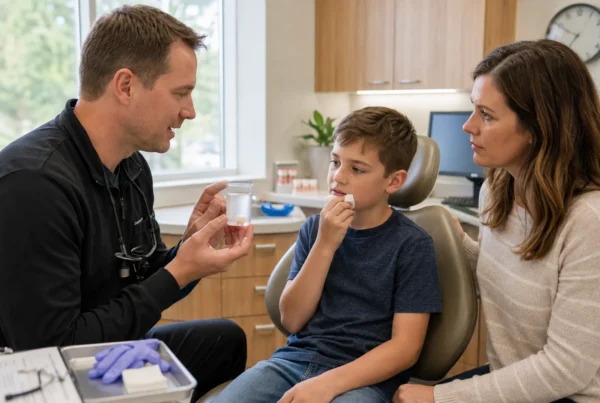



If you chip, crack, or break a tooth in Rexburg, here is the quick answer. Small, painless chips usually are not same-day emergencies, but painful cracks and larger breaks often are. The real deciding factors are pain, depth of damage, bleeding, looseness, and swelling.
At Strobel Family Dental, Dr. Dirk Strobel and Dr. Heber Strobel guide families through this situation every week. Dr. Dirk Strobel has more than 35 years of clinical experience and was recognized by Creighton University for his ethics and integrity in dentistry. Dr. Heber Strobel brings advanced prosthodontic training and modern restorative techniques, and together this father–son team focuses on evidence-based care, honest explanations, and same-day stabilization when needed.
Chipped vs Cracked vs Broken Tooth: What’s the Difference?
When someone says, “I broke my tooth,” it can mean very different things. A chipped tooth usually involves just a small piece of enamel and may not hurt at all. A cracked tooth often has a fracture line that can cause sharp pain when you bite or release pressure.
A broken tooth usually means a larger portion is missing, and sometimes the inner layers are exposed. If you can see yellow dentin or pink tissue, that suggests deeper damage. Teeth do not heal cracks or breaks on their own, so the real question is how quickly you need care.
When Is a Chipped, Cracked, or Broken Tooth a True Dental Emergency?
This is where most people pause and ask, “Do I need to go in today?” The answer depends on symptoms, not just appearance. Pain level, bleeding, looseness, and swelling are the biggest clues.
- Severe, constant, or throbbing pain that does not improve with over-the-counter medication.
- Visible yellow dentin or pink or red tissue inside the tooth.
- Bleeding that does not stop with gentle pressure.
- A tooth that feels loose or has a large piece missing.
- Swelling, pus, or signs of infection around the tooth or face.
If you notice any of these signs, you should call a Rexburg emergency dentist the same day. Painful cracks and large breaks can worsen quickly and compromise the nerve or root. Waiting several days with significant symptoms often leads to more complex treatment.
When a Chip Can Usually Wait a Short Time
Not every chip is a crisis. A small enamel chip that is painless and not cutting your tongue or cheek usually does not require a same-day visit. However, it still deserves attention before it weakens the tooth further.
The comparison below can help you think through your situation clearly. It separates minor damage from deeper fractures so you can decide what to do next.
| Tooth Damage | Pain Level | Urgency | What To Do |
| Small enamel chip | No pain | Lower urgency | Schedule next convenient visit |
| Hairline crack with mild sensitivity | Mild to moderate | Urgent soon | Call and book within a few days |
| Large break with visible inner layers | Moderate to severe | Same-day urgent | Call emergency dentist |
| Break with swelling or fever | Severe | High emergency | Seek urgent dental care |
Even minor chips can trap plaque and weaken the tooth over time. Calling the office and describing the damage allows the team to guide you on timing. A short conversation can prevent a small problem from becoming a larger one.
What to Do Immediately After You Chip, Crack, or Break a Tooth
The first few minutes after damage matter more than people realize. Staying calm and taking simple protective steps can reduce additional injury. You do not need special equipment, just careful actions.
- Rinse gently with warm water to clear debris and blood.
- Apply light pressure with clean gauze if there is bleeding.
- Save broken fragments in milk or saline in case bonding is possible.
- Cover sharp edges with dental wax or sugar-free gum to protect your tongue and cheeks.
- Avoid chewing on that side and stick to soft foods until evaluated.
These steps protect the area while you arrange care. They do not repair the tooth, but they reduce risk before your appointment. After taking these steps, you should call your dentist and explain exactly what happened.

Pain and Sensitivity: How Much Pain Is Emergency-Level?
Pain is often the clearest signal that damage is deeper than it looks. If pain is severe, constant, or keeps you from sleeping, that usually means the nerve may be involved. Intense pain that worsens with temperature or biting should be treated quickly.
Milder sensitivity that comes and goes can sometimes wait briefly, but it should still be evaluated within a few days. Non-opioid pain medications such as ibuprofen, sometimes combined with acetaminophen when medically appropriate, are considered first-line options for dental pain. Medication may reduce discomfort temporarily, but it does not fix the underlying crack or break.
Broken Tooth Emergencies in Rexburg: How Emergency Dentists Can Help
When you call Strobel Family Dental, the first step is a calm conversation. The team will ask how the injury happened, how much it hurts, and whether swelling or bleeding is present. That phone triage helps determine whether you need immediate care or the next available slot.
At the visit, the dentist performs a focused examination and takes X-rays to see how deep the crack or break goes. The first goal is stabilization and pain relief. That may involve smoothing sharp edges, placing a temporary or permanent restoration, beginning root canal therapy, or planning a crown. If the tooth cannot be saved, replacement options are discussed clearly so you can make an informed decision.
You Do Not Have to Guess What to Do
When a tooth breaks, you suddenly become the decision-maker for your own health or your child’s comfort. The real stress often comes from not knowing whether it is serious. That uncertainty can make everything feel more urgent than it needs to be.
At Strobel Family Dental, Dr. Dirk Strobel and Dr. Heber Strobel see their role as guides. You are the one protecting your smile, and they provide the experience and clarity to help you move forward confidently. If you chip, crack, or break a tooth in Rexburg and are unsure whether it is an emergency, call 208-356-4400. A calm conversation can turn fear into a clear plan.
Frequently Asked Questions
Is a chipped tooth a dental emergency?
This question matters because many people either panic over a tiny chip or ignore damage that actually needs attention. A better question to ask is whether there is pain, sharp edges, visible deeper layers, or signs that the damage extends beyond enamel. In simple terms, a small painless enamel chip is usually lower urgency, a chip with sensitivity or rough edges should be evaluated soon, and a chip with pain or visible dentin requires prompt dental care. If you are unsure how deep the damage goes, you should call your dentist and describe what you see and feel so the team can guide you safely.
When is a cracked tooth an emergency?
This question matters because cracks can look small on the outside but extend deeper inside the tooth. A better question to ask is whether biting causes sharp pain, whether the pain lingers, or whether swelling is present. If a crack causes severe or persistent pain, suggests nerve involvement, or is paired with swelling, it should be treated as an emergency; if discomfort is mild but noticeable, it should still be evaluated soon; and if there is no pain at all, it may allow short scheduling flexibility but still requires repair. Cracks tend to spread over time, so early evaluation improves the chances of saving the tooth.
What should I do immediately after breaking a tooth?
This question matters because the first few minutes after damage can prevent additional injury or infection. A better question to ask is how to protect the tooth and surrounding tissues until professional care is available. You should gently rinse the area, control bleeding with gauze, save any broken pieces in milk if possible, and avoid chewing on that side; these steps reduce irritation but do not repair the tooth; and if there is significant pain, looseness, or swelling, you should contact an emergency dentist right away. Acting quickly helps protect both comfort and long-term tooth stability.
Can a broken tooth heal on its own?
This question matters because waiting and hoping often allows cracks or fractures to worsen. A better question to ask is how quickly treatment can stabilize and preserve the remaining tooth structure. Teeth cannot regrow enamel or repair deep structural damage, untreated breaks can lead to infection or nerve involvement, and early professional treatment often prevents more invasive procedures later. Calling a dentist promptly gives you the best chance of saving the tooth and minimizing long-term complications.