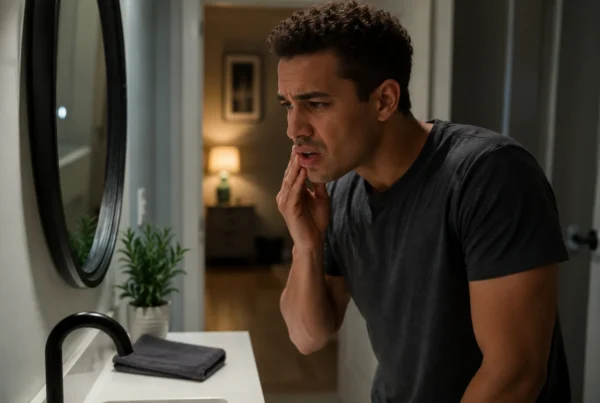

You know that feeling when a tooth starts throbbing and suddenly that is the only thing you can think about? You try to distract yourself, but the pain keeps tapping you on the shoulder. If you are dealing with a severe toothache in Rexburg, you are probably asking the same question most people do, which is what am I supposed to do right now?
At Strobel Family Dental, this is a conversation Dr. Dirk Strobel and Dr. Heber Strobel have almost every week with families from Rexburg, Burton, Rigby, and Saint Anthony. Dr. Dirk Strobel has more than 35 years of hands-on experience and was recognized by Creighton University for his ethics and service to dentistry. Dr. Heber Strobel brings advanced prosthodontic training and modern techniques, but both doctors approach emergencies the same way, which is calmly, clearly, and without pressure. Their first goal is simple, which is to help you understand what is happening and how to move forward safely.
What Causes a Severe Toothache?
When someone says, “This tooth is killing me,” it usually means something deeper is going on. The most common cause is deep decay that has reached the nerve inside the tooth. When that nerve becomes inflamed, the pain can feel sharp, throbbing, and even worse when you lie down at night.
Another common cause is an abscess, which is an infection that forms near the root or along the gums. An abscess can bring swelling, a bad taste, or even a fever, and that is when things start to feel more serious. Cracked or broken teeth, advanced gum disease, impacted teeth, and even sinus pressure can also create strong tooth pain. The important thing to understand is that severe toothaches rarely fix themselves for good without treatment.
First Steps to Take When Severe Tooth Pain Starts
When pain first shows up, it helps to slow down and take a few simple steps before panic takes over. These are not miracle cures, but they can take the edge off while you decide what to do next.
- Rinse gently with warm salt water and carefully floss around the sore tooth to remove trapped food.
- Place a cold compress on the outside of your cheek for 10 to 15 minutes if you notice swelling.
- Keep your head elevated when resting so pressure does not build up in the area.
- Avoid very hot, very cold, sugary, or hard foods and chew on the opposite side.
These steps can calm irritation and reduce pressure for a while. However, if the pain keeps coming back or gets worse, that is your body telling you it needs more than home care.
Safe Pain Relief Options and What to Avoid
A lot of people immediately reach for pain medicine, and that makes sense. Used correctly, over-the-counter medication can be very effective. Current dental guidelines recommend non-opioid medications such as ibuprofen or naproxen, sometimes combined with acetaminophen when medically appropriate, as first-line options for acute dental pain.
- Follow the dosage instructions carefully and never exceed the recommended amount.
- Do not place aspirin directly on your gums because it can burn the tissue.
- Avoid using heat on a swollen area because heat can make inflammation worse.
- Keep track of how much acetaminophen you take if you are using more than one product.
Medication can make the pain more manageable, but it does not remove infection or repair a cracked tooth. If the pain disappears for a few hours and then comes back just as strong, that is usually a sign that the underlying problem still needs attention.

When Is a Severe Toothache a Dental Emergency?
This is the part where most people hesitate. They wonder if they are overreacting or if they should just wait one more day. The truth is that some toothaches are uncomfortable but stable, while others can become dangerous if ignored.
Here is a simple way to think about it.
| Symptom | Level of Concern | What To Do |
| Mild pain for less than 48 hours | Lower urgency | Schedule next available visit |
| Strong pain not relieved by medication | Urgent | Call for same-day appointment |
| Swelling, fever, or bad taste | High concern | Seek urgent dental care |
| Trouble swallowing or breathing | Life threatening | Go to ER or call 911 |
If pain lasts more than one or two days, wakes you up at night, or comes with swelling or fever, it is time to call a Rexburg emergency dentist. If breathing or swallowing become difficult, you should go straight to the emergency room because that can signal a spreading infection.
What to Expect at an Emergency Toothache Visit in Rexburg
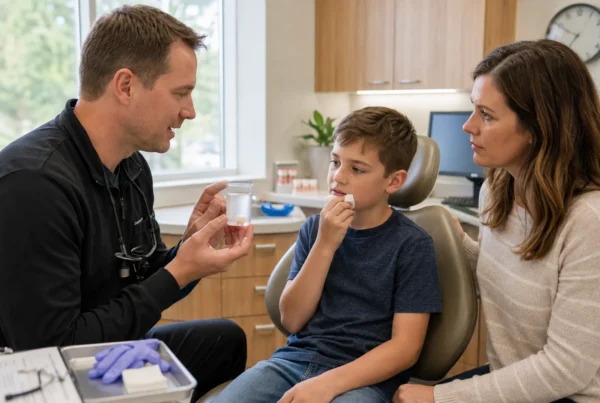
When you call Strobel Family Dental, you are not just booking an appointment. You are having a conversation. The team will ask when the pain started, how intense it feels, and what you have tried so far. That quick back-and-forth helps them decide how urgently you need to be seen.
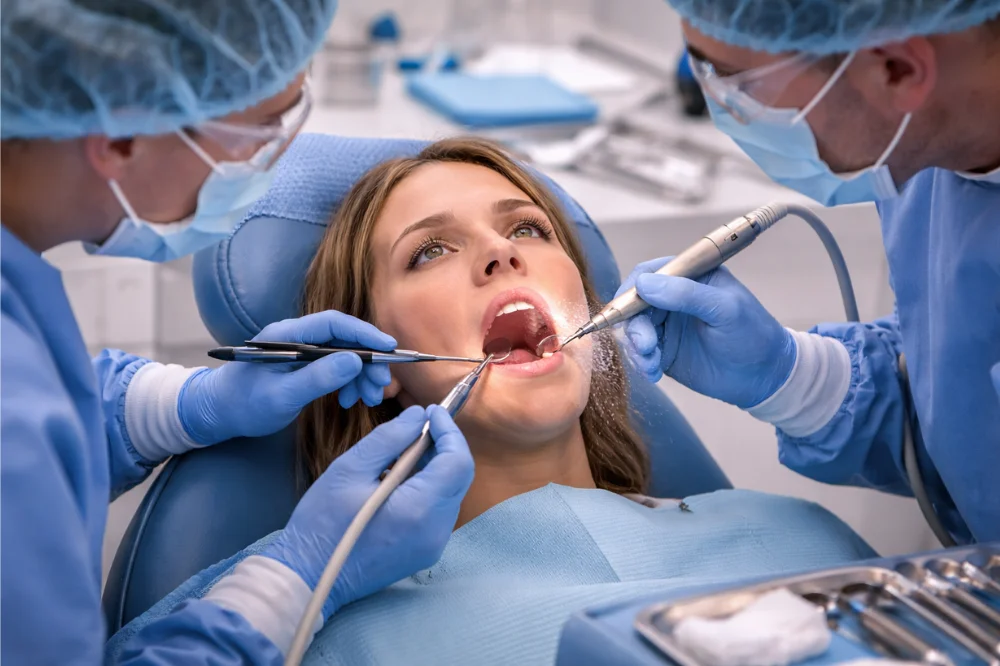
Once you arrive, the focus is relief and clarity. The dentist will examine the area, take imaging if needed, and explain what is happening in plain language. Sometimes that means draining infection. Sometimes it means starting a root canal or smoothing a crack. Before anything begins, you will understand your options and what insurance may cover.
You Do Not Have to Guess What to Do Next
When severe tooth pain hits, you become the decision-maker for your own health or your child’s comfort. The real stress often comes from not knowing whether to wait or act. That uncertainty can make everything feel worse.
At Strobel Family Dental, Dr. Dirk Strobel and Dr. Heber Strobel see their role as guides. You are the one making the choice to protect your health, and they provide the experience and clarity to help you move forward. If you are dealing with a severe toothache in Rexburg and are unsure whether it is an emergency, call 208-356-4400. A calm conversation can turn panic into a clear plan.
Frequently Asked Questions
What should I do immediately if I have a severe toothache?
If a severe toothache starts, you should gently rinse with warm salt water, floss carefully, use a cold compress if there is swelling, and take non-opioid pain medication as directed, because those steps can reduce irritation in the first few hours. A better question to ask is whether the pain is improving with those steps or continuing to intensify. If pain remains strong, lasts more than one or two days, or is paired with swelling or fever, you should call a dentist the same day for evaluation.
When does a toothache become an emergency?
A toothache becomes an emergency when it is severe, persistent, not relieved by medication, or accompanied by swelling, fever, or difficulty swallowing, because those signs may indicate infection. A better question to ask is whether your symptoms suggest something that could spread or affect breathing. If breathing or swallowing are affected, you should seek emergency medical care immediately, and if pain is intense with swelling, you should contact a dentist the same day.
Can home remedies cure a severe toothache?
Home remedies can temporarily reduce discomfort, but they cannot remove decay, repair cracks, or eliminate infection, and that is why relying on them alone often leads to recurring pain. A better question to ask is how to manage symptoms safely until you see a dentist. Saltwater rinses, cold compresses, and properly dosed medication may help short term, but professional care addresses the real cause.
Should I go to the ER for severe tooth pain?
You should go to the ER if severe tooth pain is accompanied by uncontrolled bleeding, spreading facial swelling that affects breathing, or trouble swallowing, because those symptoms can become life threatening. A better question to ask is whether your airway or overall medical stability is at risk. Most severe toothaches require same-day dental care rather than hospital treatment, but airway concerns require immediate medical attention.