
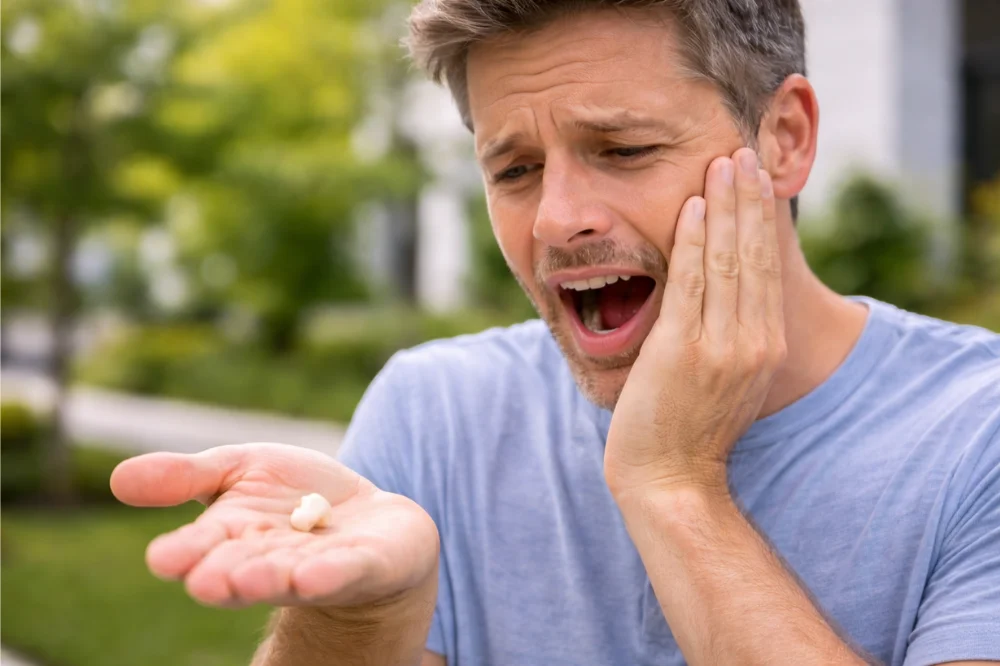

If a permanent tooth gets knocked out, this is always a true dental emergency. You usually have about 30 to 60 minutes to give that tooth its best chance of survival. Acting quickly and correctly during that short window can make the difference between saving the tooth and losing it.
At Strobel Family Dental in Rexburg, Dr. Dirk Strobel and Dr. Heber Strobel regularly treat dental trauma for families, athletes, and BYU–Idaho students throughout Rexburg, Burton, Rigby, and Saint Anthony. Dr. Dirk Strobel has more than 35 years of hands-on experience and was recognized by Creighton University for his ethics and professional integrity. Dr. Heber Strobel brings advanced restorative training and a strong understanding of trauma protocols. Together, this father–son team follows specialist and medical guidelines to protect knocked-out permanent teeth whenever possible.
Why a Knocked-Out Permanent Tooth Is a True Dental Emergency
When a permanent tooth is completely knocked out, the clinical term is avulsion. This means the entire tooth, including the root, has come out of the socket. That is very different from a chip or a surface fracture.
The root surface of a permanent tooth is covered with tiny living cells that help it reattach to the bone. Once that tooth dries out, those cells begin to die quickly. The best chance of saving the tooth is when it is replanted within about 15 to 30 minutes, although there may still be some possibility up to about an hour if it has been stored correctly. Even if the pain seems manageable, this situation should always be treated as urgent.
Step-by-Step: What to Do Immediately
When this happens, the most important thing is to stay calm and act in order. Clear steps matter more than panic, and following them carefully protects the tooth. Taking a breath and moving through each step can preserve the root surface and improve long-term success.
- Find the tooth and pick it up by the crown only, which is the chewing surface, and avoid touching the root.
- If the tooth is dirty, gently rinse it for a few seconds with milk, saline, or clean water without scrubbing or scraping it.
- If the person is conscious and cooperative, gently place the tooth back into the socket and have them bite softly on gauze to hold it in place.
- If you cannot reinsert it, store the tooth in milk, saline, a tooth-preservation solution, or inside the cheek of an older, conscious person who will not swallow it.
- Call a Rexburg emergency dentist immediately and head to the office right away.
These steps keep the root moist and protect the ligament cells that allow reattachment. Delaying action or allowing the tooth to dry out significantly lowers the chance of success. Calling ahead allows the dental team to prepare for immediate stabilization when you arrive.
What NOT to Do With a Knocked-Out Tooth
In stressful moments, it is easy to react quickly without thinking through the consequences. Unfortunately, some common reactions can reduce the chance of saving the tooth. Knowing what to avoid is just as important as knowing what to do.
- Do not scrub, brush, or scrape the root, because this damages delicate cells.
- Do not use soap, alcohol, hydrogen peroxide, or disinfectants on the tooth.
- Do not wrap the tooth in tissue or leave it sitting dry on a surface.
- Do not store the tooth in plain tap water for an extended period.
- Do not attempt to reinsert a baby tooth, because this can harm the developing permanent tooth underneath.
Protecting the root surface and preventing dryness are the two most important priorities. If you are unsure whether the tooth is permanent or baby, bring it with you and let the dentist evaluate it. Acting cautiously in those first few minutes greatly improves the outcome.

Special Considerations for Children and Major Injuries
If a baby tooth is knocked out, it should not be replanted. Primary teeth are handled differently because replanting them can damage the developing permanent tooth. However, the child should still see a dentist promptly to evaluate the area and check for additional injuries.
If the injury includes heavy bleeding, loss of consciousness, suspected jaw fracture, or difficulty breathing, medical care must come first. You should call 911 or go to the emergency room before seeking dental treatment. After medical stabilization, a dentist can determine whether the permanent tooth can be saved or plan for replacement if necessary.
What to Expect at an Emergency Visit in Rexburg
When you arrive at Strobel Family Dental, the first step is a focused but calm evaluation. The dentist confirms whether the tooth is permanent, examines the socket carefully, and takes X-rays to check for root or bone damage. If conditions allow, the tooth may be repositioned and stabilized with a flexible splint, and antibiotics or a tetanus booster may be recommended depending on the injury.
| Situation | What To Do |
| Permanent tooth completely out | Follow the step-by-step instructions and seek emergency dental care immediately |
| Baby tooth knocked out | Do not reinsert and call a dentist for evaluation |
| Severe facial trauma or breathing issues | Call 911 or go to the ER first |
This quick reference is meant to guide your first reaction until you can speak directly with a dentist. It does not replace professional evaluation, but it helps you make smart decisions in the moment. Acting quickly and correctly gives the tooth the best possible chance of survival.
You Can Protect the Outcome Before the Injury Ever Happens
Dental trauma often happens during sports, playground activities, and outdoor recreation around Rexburg and BYU–Idaho. Most people never expect it, which is why preparation makes such a difference. Saving your dentist’s emergency number in your phone and knowing these steps ahead of time can protect your child, teammate, or yourself.
When a tooth is knocked out, you suddenly become the decision-maker for someone’s health. The fear and uncertainty can feel overwhelming in that moment. At Strobel Family Dental, Dr. Dirk Strobel and Dr. Heber Strobel serve as guides during those stressful situations. You are the one taking action, and they provide the experience, training, and calm direction to help you move forward confidently. If a permanent tooth is ever knocked out in Rexburg, call 208-356-4400 immediately so that fast, coordinated care can begin.
Frequently Asked Questions
How quickly do I need to see a dentist if a permanent tooth is knocked out?
Time is critical because the living cells on the root begin to die once the tooth dries out, and this question matters because many people underestimate how urgent avulsion is. A better question to ask is how to preserve the tooth while traveling to the dentist. Permanent teeth have the best survival rate when replanted within about 15 to 30 minutes, although there may still be some chance up to about 60 minutes if the tooth has been kept moist correctly. You should begin first aid immediately and contact an emergency dentist right away.
Can I put a knocked-out baby tooth back in place?
Baby teeth should not be replanted because doing so can damage the developing permanent tooth underneath, and this question matters because parents often assume all teeth are handled the same way. A better question to ask is whether the knocked-out tooth is permanent or primary. Even though baby teeth are not replanted, the child should still see a dentist promptly to evaluate the injury and check for other damage.
What is the best way to store a knocked-out tooth?
Keeping the tooth moist is essential, and this question matters because dry storage significantly reduces the chance of successful reattachment. A better question to ask is which storage methods protect root surface cells. The tooth should be placed back into the socket if possible, or stored in milk, saline, a tooth-preservation solution, or inside the cheek of an older, conscious person who will not swallow it. You should avoid wrapping it in tissue or leaving it dry.
Will the tooth feel normal right away after replantation?
Even when a tooth is successfully replanted and splinted, it may not feel completely normal at first, and this question matters because realistic expectations support proper healing. A better question to ask is what follow-up care is required. Many replanted permanent teeth require monitoring, splint removal after several weeks, and often root canal therapy later to protect long-term function. Attending all follow-up appointments improves the chances of long-term success.