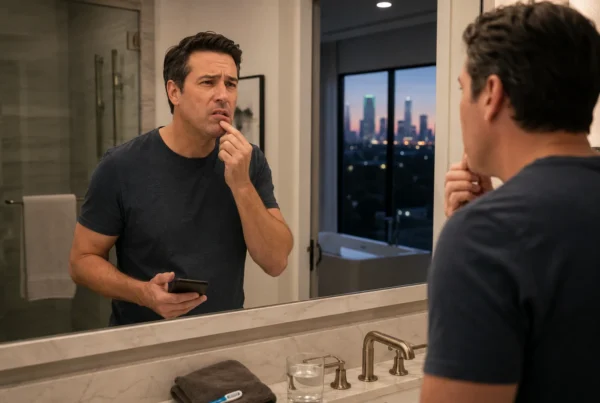


Let’s be honest. When your tooth starts throbbing at 9:30 at night, it is hard to think clearly. You are not calmly analyzing symptoms. You are wondering if you should wait it out, call someone, or head to the emergency room. That moment of uncertainty is exactly why people ask, “What actually counts as a dental emergency?”
At Strobel Family Dental in Rexburg, this is one of the most common questions families ask. Dr. Dirk Strobel and Dr. Heber Strobel talk through these situations every week with parents, students from BYU–Idaho, and neighbors from Burton, Saint Anthony, and Rigby. The goal is simple. Figure out what needs attention right now, what can wait until morning, and what truly requires the ER.
What Is a Dental Emergency?
A dental emergency is a problem in your mouth that needs immediate care to stop severe pain, control bleeding, treat infection, or protect your breathing. The American Dental Association explains that true emergencies are usually situations that could become life threatening, such as uncontrolled bleeding or infections that affect the airway.
Now here is where it gets practical. Not every painful tooth is life threatening. There is a big difference between “this hurts a lot” and “this could affect my breathing.” Severe toothaches, abscesses, and broken teeth are usually urgent, which means they should be treated quickly, often the same day, but they are not typically hospital emergencies. That distinction matters because it helps you make a calm decision instead of a panicked one.
Life Threatening Dental Emergencies: Go to the ER First
There are times when your first stop should not be a dental office. If breathing or heavy bleeding is involved, you need medical care immediately. Your overall safety comes first.
- Bleeding in the mouth that does not slow down after 10 to 15 minutes of firm pressure.
- Rapid swelling of the face or neck that makes it hard to breathe or swallow.
- Severe facial trauma with a suspected broken jaw and difficulty speaking.
In those situations, you should call 911 or go to the nearest emergency room, whether that is in Rexburg, Idaho Falls, or another nearby city. Hospitals can provide airway support, imaging, and IV antibiotics if needed. Once you are stable, a dentist can complete the dental portion of your care.
Same Day Urgent Dental Emergencies: Call a Rexburg Emergency Dentist
Most dental emergencies in Rexburg fall into this next category. They are urgent, painful, and disruptive, but not usually life threatening. This is where a same day emergency dentist is exactly who you need.
- A severe toothache that is constant and throbbing and does not improve with over the counter medication.
- A dental abscess with swelling, fever, or a bad taste in the mouth.
- A permanent tooth that has been knocked out or feels loose after an injury.
- A broken tooth that exposes deeper layers or leaves sharp edges cutting your cheek or tongue.
When you come in for an emergency visit, the first goal is simple. Get you comfortable. The dentist will examine the area, take necessary X rays, and stabilize the problem. Sometimes that means starting a root canal. Sometimes it means draining infection or placing a temporary restoration. The full plan can come next. Relief comes first.
Problems That Usually Can Wait a Short Time
Here is the part that often surprises people. Some dental problems feel dramatic, but they can safely wait a short time. That does not mean you ignore them. It just means you do not need to rush in at midnight.
The comparison below can help you think through it clearly.
| Situation | Typical Urgency | What To Do |
| Small chip with no pain | Can wait a few days | Call for next available visit |
| Lost filling without pain | Can wait briefly | Avoid chewing there and schedule soon |
| Mild sensitivity | Non urgent | Book routine evaluation |
| Severe swelling or fever | Same day urgent | Call dentist immediately |
| Trouble breathing or heavy bleeding | Life threatening | Go to ER or call 911 |
If you live in Rexburg Southwest, Jolley, or Newdale and you are not sure where your situation fits, call the office and describe what is happening. A quick conversation can usually sort it out in a few minutes and give you peace of mind.

Is a Toothache Always a Dental Emergency?
This is probably the most searched question of all. The honest answer is no, not every toothache is an emergency. But some absolutely are.
If the pain is intense, keeps you awake at night, or comes with swelling, that is usually a sign that infection or nerve inflammation is involved. That situation should be seen the same day. On the other hand, mild discomfort that comes and goes without swelling can often wait for a regular appointment. The American Dental Association recommends non opioid pain relievers such as ibuprofen, sometimes combined with acetaminophen when appropriate, for short term relief. Medication can help you get through the night, but it does not solve the underlying problem.
When a Knocked Out Tooth Is an Emergency
If a permanent tooth gets knocked out, this is one of those moments where time really matters. The faster you act, the better the chance of saving the tooth.
You should gently rinse the tooth without scrubbing it and avoid touching the root. If you can, place it back in the socket. If that feels uncomfortable, store it in milk and seek care within 30 to 60 minutes. For active families around BYU–Idaho, Saint Anthony, and Island Park, it is smart to keep your dentist’s number saved in your phone before sports season even starts.
How Emergency Dental Visits Work in Rexburg
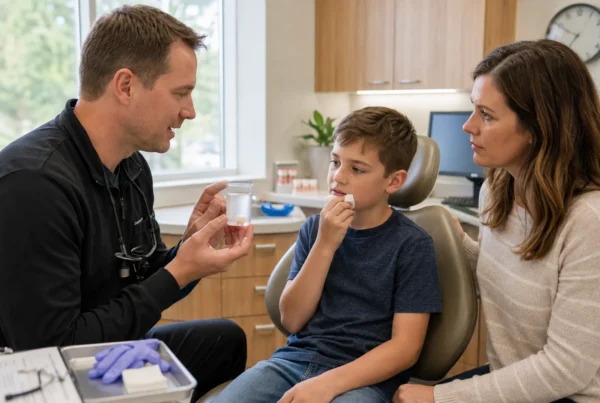
When you call Strobel Family Dental, you are not just booking a slot. You are having a conversation. The team will ask about your pain level, swelling, bleeding, and how long symptoms have been present. That quick triage helps determine whether you need to come in immediately or can wait until the next available appointment.
At the office, the focus is comfort and clarity. The dentist performs an exam, takes imaging if needed, and explains what is happening in plain language. Before treatment begins, you will understand what your insurance may cover and what your options are. That transparency matters, especially when you are already dealing with pain.
Feel Confident About Your Next Step
When something feels wrong, you just want a clear answer. You want to know you are not overreacting, but you also do not want to ignore something serious. That tension is what makes dental emergencies feel so stressful.
At Strobel Family Dental, Dr. Dirk Strobel and Dr. Heber Strobel see their role as guides, not salespeople. You are the one protecting your family’s health. They help you decide what needs attention today and what can safely wait. If you are unsure whether your situation qualifies as a dental emergency in Rexburg, call 208-356-4400. A short conversation can replace panic with a clear plan.
Strobel Family Dental
59 Professional Plaza
Rexburg, ID 83440
208-356-4400
Frequently Asked Questions
What qualifies as a dental emergency?
A dental emergency involves severe pain, uncontrolled bleeding, serious infection, or trauma that requires immediate attention, and this question matters because waiting too long can increase risk and discomfort. A better question to ask is whether your symptoms involve airway risk, heavy bleeding, or pain that is not improving. True emergencies often include breathing difficulty or persistent bleeding, while urgent problems include severe toothaches, abscesses, and broken teeth that should be treated the same day. If those serious symptoms are present, you should contact a dentist immediately or go to the ER if breathing is affected.
Is a toothache always a dental emergency?
Not every toothache is an emergency, but this question matters because persistent pain can signal infection. A better question to ask is how intense the pain is and whether swelling or fever are present. Mild discomfort that comes and goes can wait briefly, but severe or lingering pain often requires urgent evaluation to prevent complications. Over the counter medication may reduce symptoms temporarily, but it does not treat the underlying cause.
Should I go to the ER or a dentist?
Choosing correctly matters because the wrong setting can delay proper treatment. A better question to ask is whether breathing, swallowing, or bleeding are uncontrolled. You should go to the ER for airway compromise, heavy bleeding, or major facial trauma, but most tooth pain and abscesses are best treated by a dentist who can provide definitive procedures. When in doubt, calling your dentist first for guidance is often the safest step.
What should I do if I knock out a tooth?
A knocked out permanent tooth is time sensitive, and fast action greatly improves the chance of saving it. A better question to ask is how to protect the tooth until you reach a dentist. You should gently rinse it without scrubbing, avoid touching the root, place it back in the socket if possible, or store it in milk and seek care within 30 to 60 minutes. Immediate professional evaluation offers the highest chance of successful reattachment.